





Importance Of Biosecurity In South Africa
Biosecurity has a significant impact on food security, trade and, ultimately, the economy. It affects every citizen in the country; be it direct or indirect.
To effectively address threats to plant and animal health in South Africa, the National Biosecurity Hub (NBH) provides a dynamic, collaborative platform for research institutions, government and industry stakeholders.
As an inclusive national entity, the NBH is focussed on protecting the country from invading sanitary and phytosanitary (SPS) threats. As such, it serves the sustainability of our agricultural industry, whilst building confidence amongst trading partners.
Plant Health
Plant pests and diseases have a huge impact on the availability, safety and cost of both primary food sources and animal feed.
Animal Health
Lorem ipsum dolor sit amet, consectetuer adipiscing elit, sed diam nonummy nibh euismod tincidunt ut laoreet dolore magna.
SPS Training for Regulatory Science
The strengthening of SPS capacity through training.
News & Information

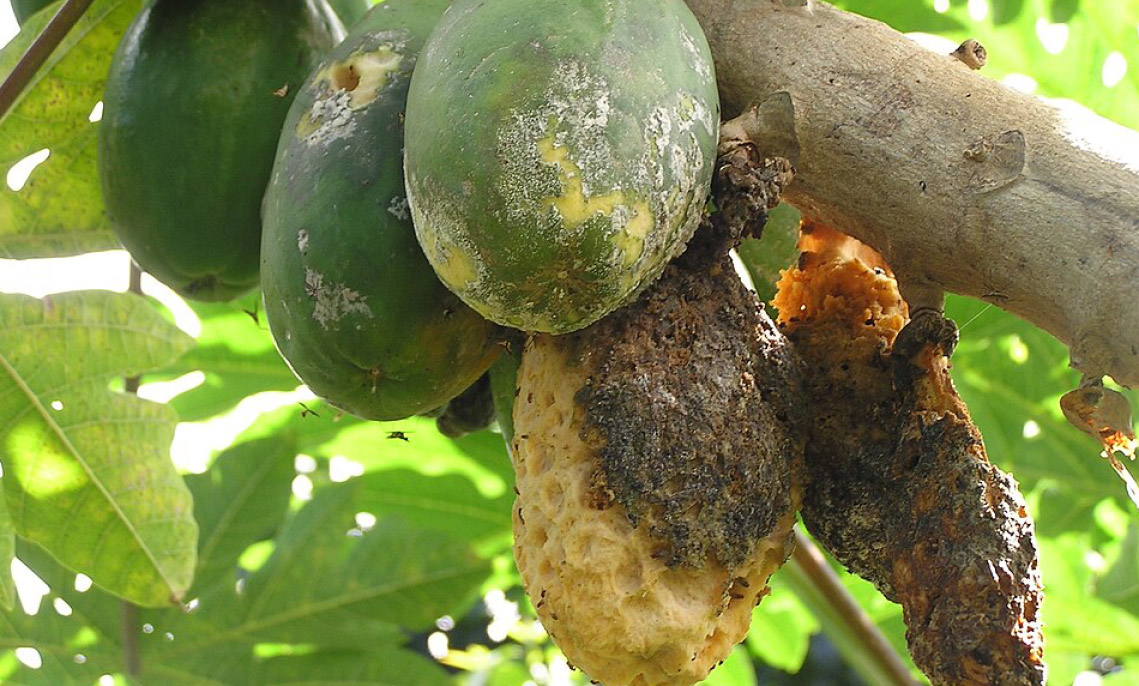
Phytophthora palmivora – A Serious Threat to Papaya
Phytophthora palmivora is a devastating oomycete pathogen affecting over 200 plant species, including papaya. Infections lead to significant yield losses, with some regions reporting up to 90% crop failure. The pathogen thrives in moist environments, making tropical areas particularly vulnerable. Effective management requires integrated strategies focusing on prevention and early
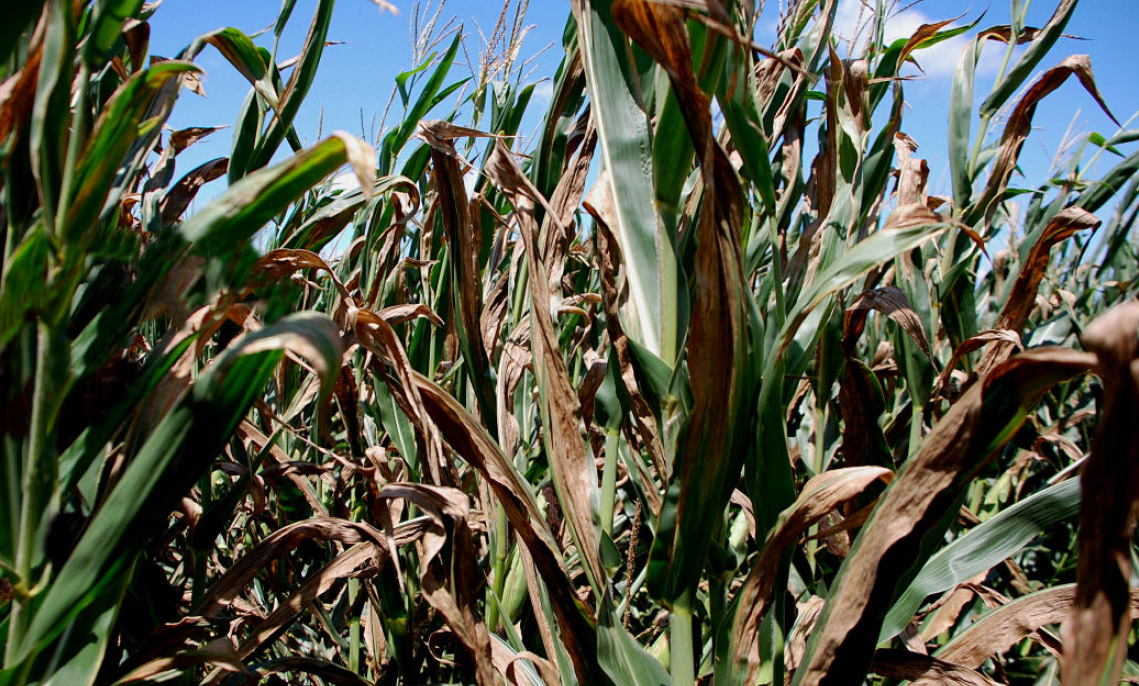
EPPO Pest Alert – Clavibacter nebraskensis (Goss’s Wilt)
Clavibacter nebraskensis, the causative agent of Goss’s wilt in maize, has been added to the EPPO Alert List following its detection in South Africa and Mexico. The bacterium poses a significant threat to maize production, with potential yield losses up to 50%. Its spread underscores the need for vigilant monitoring
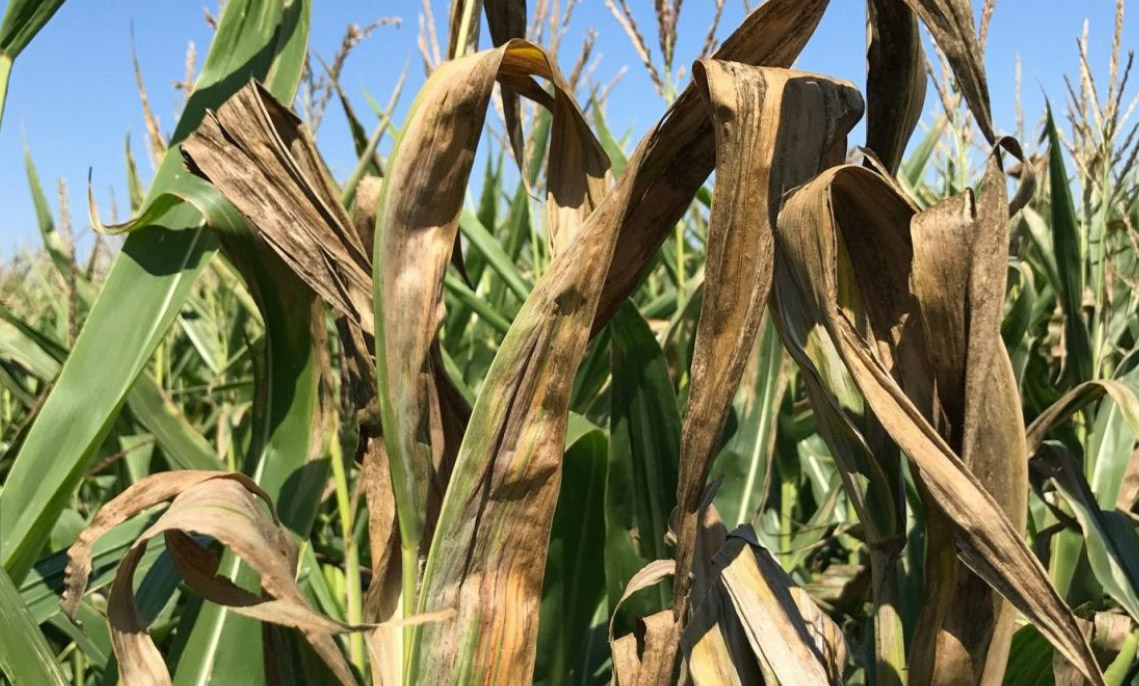
Managing Goss’s Wilt in Maize
Goss’s wilt, caused by Clavibacter nebraskensis, is a bacterial disease impacting maize crops. Management strategies emphasize the use of resistant hybrids, crop rotation, and residue management. Since fungicides are ineffective against bacterial pathogens, cultural practices remain the cornerstone of disease control.